































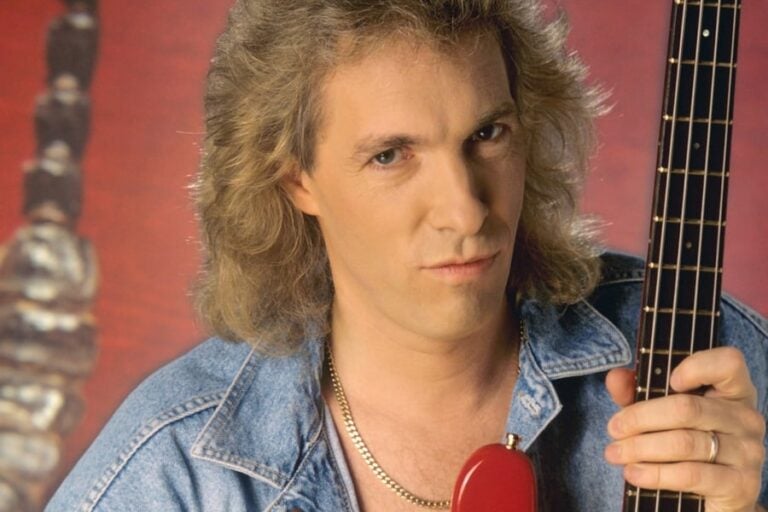

Francis Buchholz – the bass player behind some of the Scorpions’ biggest anthems – has died at 71, his family has announced.
Per Rolling Stone, the German rock figure passed away on January 22nd following a private battle with cancer, leaving behind a legacy that helped define hard rock in the ’70s and ’80s.
In a heartfelt statement shared online, Buchholz’s loved ones said he “departed this world peacefully, surrounded by love”, and thanked fans worldwide for their support throughout his career. They added that although “the strings have now gone silent”, his spirit lives on through the music and memories he created.
Buchholz was a key member of the Scorpions’ classic lineup, joining the band in the early 1970s and staying until 1992. His thunderous yet tasteful bass lines anchored the band’s sound on 12 studio albums, including major releases like Fly to the Rainbow, Blackout, and Crazy World. He can be heard shaping the grooves on rock staples such as “Rock You Like a Hurricane”, “No One Like You”, “Big City Nights”, and the global phenomenon “Wind of Change.”

While the Scorpions had flirted with international success before his arrival, it was during Buchholz’s tenure that they truly broke through on the world stage, scoring platinum-selling albums and headlining arenas across the globe.
Then in 1992, Buchholz, who handled the band’s business matters, exited the group. He explained in a 2008 interview that his split was a mutual decision following a turnover of management, lawyers, and tax company. Unhappy with the situation, he chose to step away and focus on his family.
Love Music?
Get your daily dose of metal, rock, indie, pop, and everything else in between.

The bassist returned to music in the mid-2000s, touring with former Scorpions guitarist Uli Jon Roth and eventually joining a band called Dreamtide that released an album, Dream and Deliver, in 2008. He later realigned with another former Scorpions guitarist, Michael Schenker, to tour and record with his group Michael Schenker’s Temple of Rock.
After departing the band in the early ’90s to focus on his family and other interests, he continued to play music with former bandmate Michael Schenker in his Temple of Rock project, as well as other collaborations and tours.