































The raging verbal battle over royalties generated by music streaming services has recently been thrust into the headlines with the ongoing dispute between Spotify, one of the world’s premier streaming services, and Taylor Swift, one of the highest-selling artists of the modern era.
While the issues raised by the Swift camp are certainly pertinent, it bears repeating that the pop songstress is highly successful, recently coming in at number two on Forbes‘ list of the highest-earning women in popular music. So what does a wholly independent artist think of streaming?
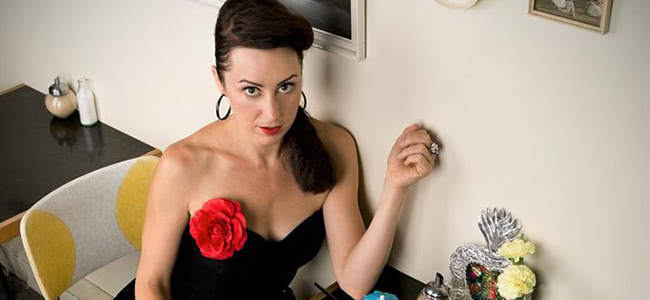
A good person to ask would be Abbie Cardwell, 2002’s Triple J Unearthed winner and a member of Keith Urban’s team on the first season of The Voice Australia. According to a recent Facebook post, Cardwell is concerned about “the current hostile climate of today’s attitude towards artists”.
[include_post id=”215822″]
As she forges on in the uphill battle of crowdfunding her next record, Cardwell has issued a plea to fans to rethink their choice to download music illegally. Why? Because the revenue from streaming services like Spotify just isn’t cutting it.
To help fans better understand the situation that she and many indie musicians are currently finding themselves in, Cardwell breaks down the pay rates of some of the most popular streaming services to show how little money actually ends up in the artist’s pocket.
According to the figures Cardwell has shared (she didn’t provide a source), for every 1,000 listens to a song, the artist received just $5.44 from Spotify. Xbox Music appears to be the most generous, offering musos a relatively whopping $50 for every 1,000 plays.
Most others, however, come in at around the $10 mark or otherwise offer less than one cent per play. According to Cardwell, Rdio offers “seemingly nothing” and Deezer “likewise”. And this is a problem, since that money doesn’t really seem to be coming from anywhere else at the moment.
[include_post id=”421323″]
“CDs don’t sell anymore unless you are playing to silverbacks in an RSL in rural Australia. The general public steal their movies and music from the internet and feel entitled to everything for free (unless it’s hip vinyl!),” Cardwell writes.
“It is no wonder that even someone with as small a music career as mine has been so negatively affected by the current hostile climate of todays attitude towards artists,” she continues. “Please rethink your next decision to steal music or film.”
And despite a supportive response to Cardwell’s post, it’s unlikely it will result in much of a change for the singer’s fiscal matters. As Tone Deaf previously reported, during a recent survey, when respondents were asked if the low royalty rates provided by streaming services would make them reconsider their buying habits, just 15 percent answered in the affirmative.